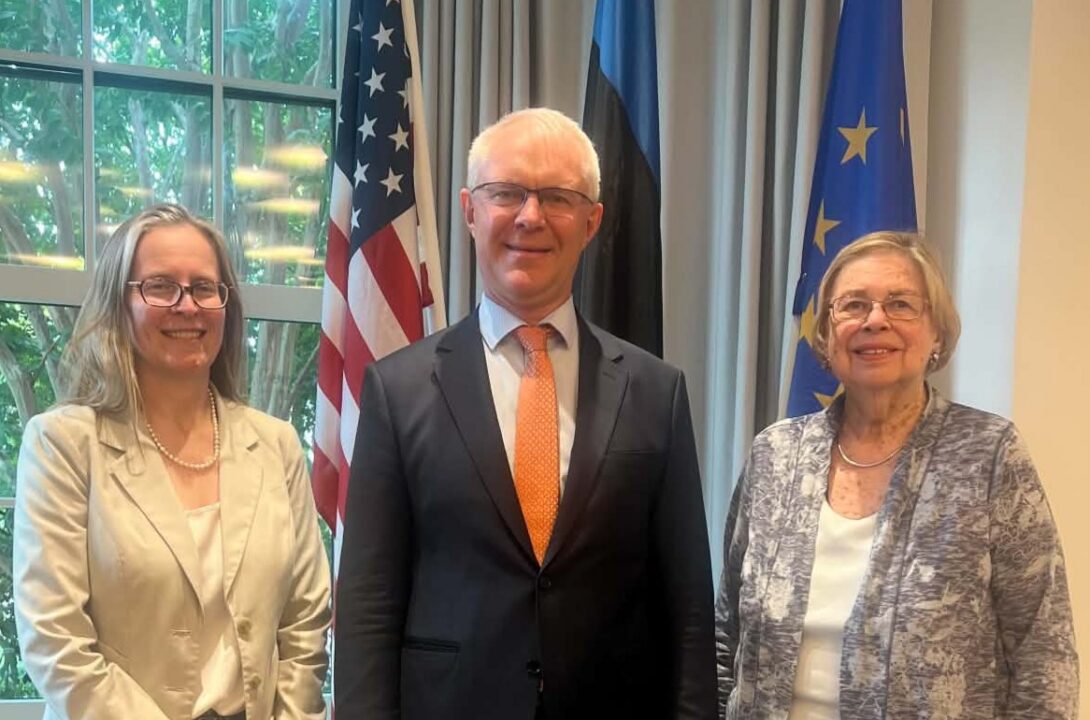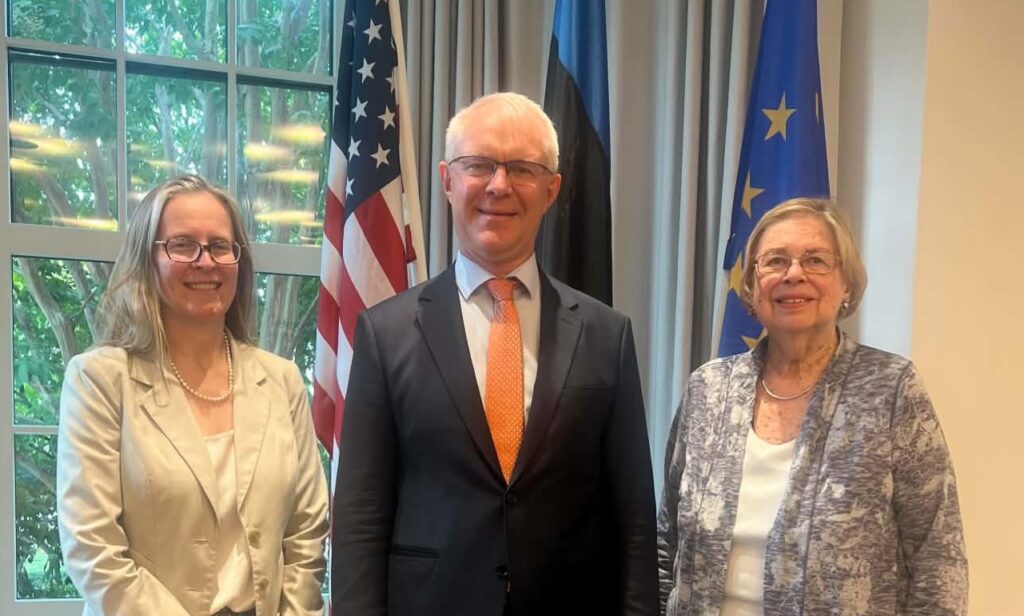
EANC Welcomes Estonia’s Ambassador Hanso
October 6, 2026
Estonian Americans for Ukraine and Baltic Security: A Call to Action
October 17, 2026Read the Estonian version of this statement here
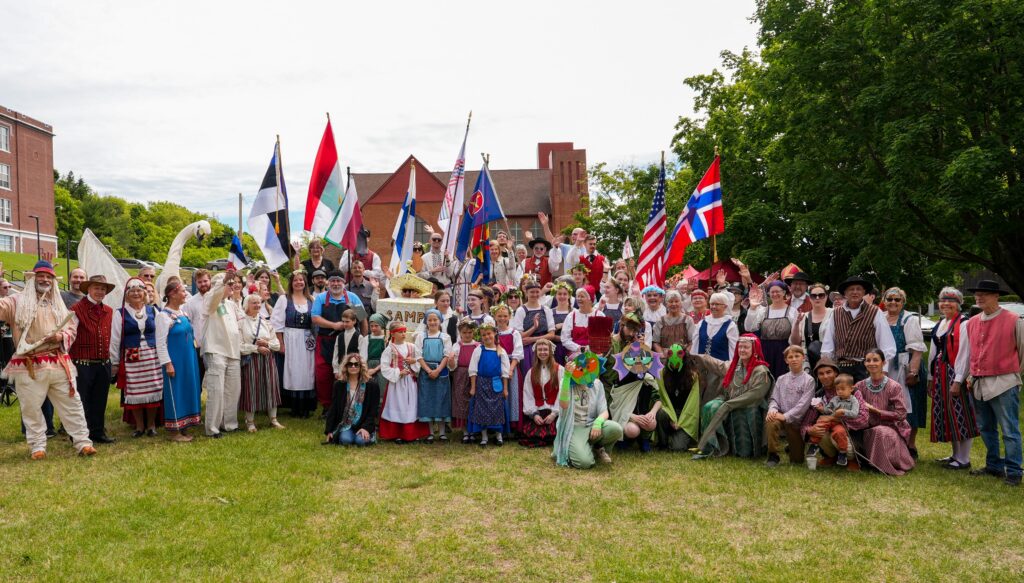
Kindred Peoples’ Day: Celebrating Our Kindred Cultures, Preserving Our Heritage
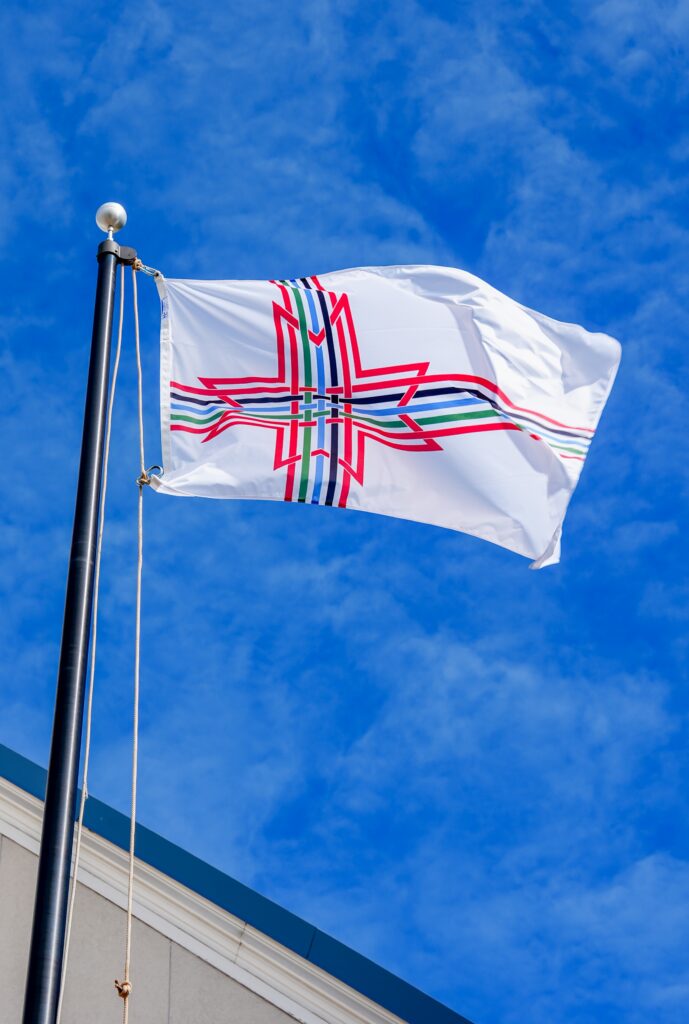
On October 17, Estonians join fellow Finno-Ugrians around the world in celebrating international Kindred Peoples’ Day (Hõimupäev), honoring the rich diversity of our languages, cultures, and traditions that connect us across borders and generations.
Estonians belong to the Finno-Ugric family of peoples, which includes Finns, Hungarians, and smaller communities such as the Sámi, Karelians, Mari, Udmurts, and Komi, among others. Each possesses a distinct cultural identity, language, and heritage. Together, they represent a remarkable diversity of traditions that deserve to be celebrated, protected, and passed on to future generations.
This year’s observance holds special significance for Estonian Americans. Hancock, Michigan, was designated the 2026 Finno-Ugric Capital of Culture, the first in North America. The Estonian American National Council (EANC) was proud to support Estonian participation in the historic June celebrations, including the cultural organization MTÜ Hõimulõimed and traditional music ensemble Kännu Peal Käbi. The festivities brought together kindred communities through music, cultural exchange, and a shared commitment to preserving their heritage.
Kindred Peoples´ Day is also an occasion to reflect on the importance of cultural freedom. While Estonians today enjoy the freedom to speak their language and celebrate their traditions, some of our kindred peoples face serious challenges in maintaining their cultural identities. Particularly in Russia, restrictions on cultural expression and declining opportunities for education in native languages threaten the survival of unique linguistic and cultural traditions.
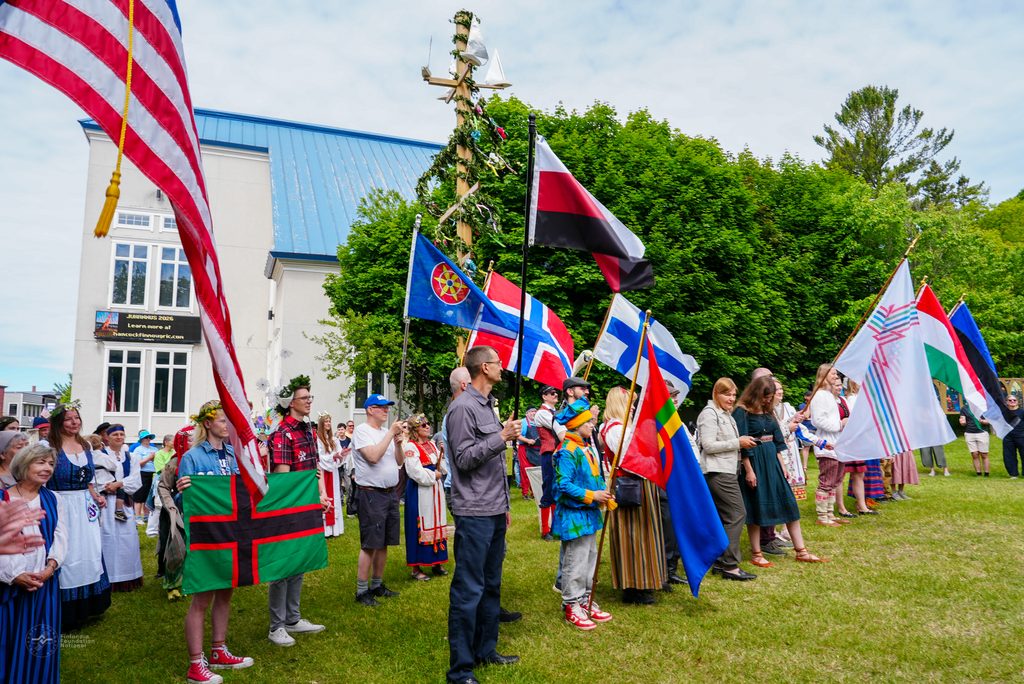
EANC encourages everyone to use this day not only to celebrate our shared Estonian heritage, but also to raise awareness of the challenges facing smaller Finno-Ugric peoples. Their experiences remind us that language and culture must never be taken for granted. Whether in Estonia, the United States, or elsewhere in the world, preserving our heritage requires commitment, education, and the active participation of each generation.
“Our languages and traditions may be distinct, but our shared roots connect us,” said EANC President, Mai-Liis Bartling. For EANC, nurturing Estonian language, culture, and identity in the United States is an essential part of this shared commitment. By celebrating and supporting one another, we help ensure that our cultures continue to flourish for generations to come.
Head hõimupäeva! Happy Kindred Peoples’ Day!
Estonian American National Council (EANC) / Eesti Rahvuskomitee Ühendriikides (ERKÜ)
Contact: Leelo Linask, executive director> erku@estosite.org
Photos: Minea Herwitz (Finlandia Foundation National), Leelo Linask (EANC)
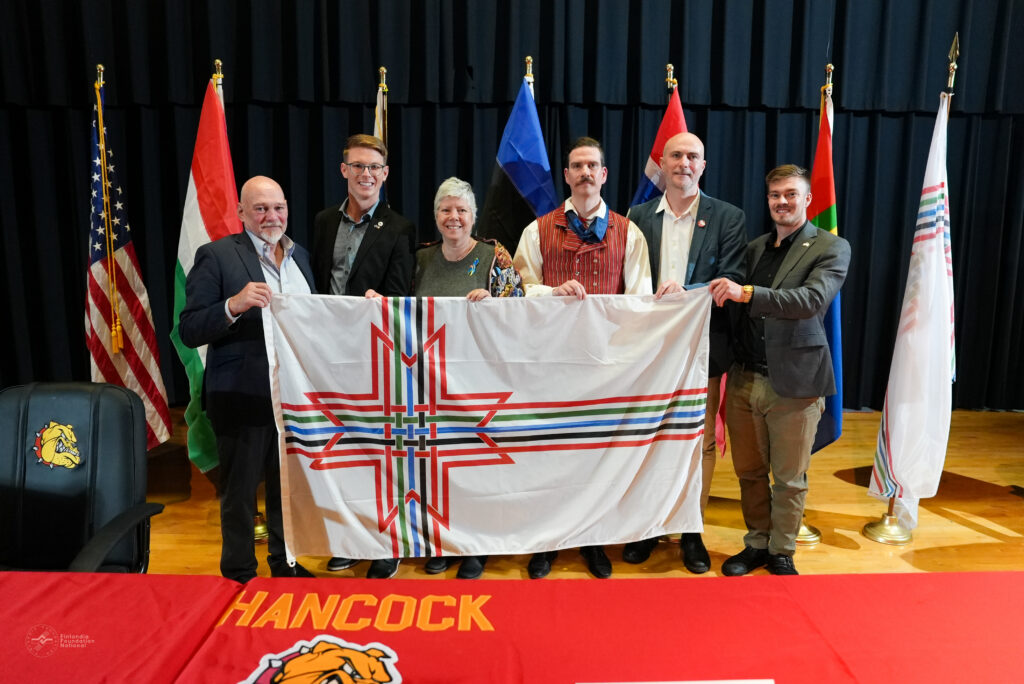
Pictured> Organizers and international partners of the Finnish Culture Capital of the World, (Hancock, Michigan) Juahnnus week festivities and forum. L-R: Honorary Consul and main organizer, Jim Kurtti of Hancock; Thomas Flanagan (Finlandia Foundation National, executive director); Leelo Linask, Estonian American National Council, executive director; Aleksi Palokangas, Friends of Finno-Ugric Peoples NGO, director; Oliver Loode (director of the Uralic Centre, and initiator of the Finno-Ugric Capitals of Culture movement); Nathan Kilponen-Fix (Finlandia Foundation National).