
EANC Henrik Visnapuu Culture and Literature Award
The EANC Visnapuu award, presented with our Estonian partners at the Estonian Writers Union and the municipality of Luunja, recognizes works on Estonian themes in the fields of literature, music, theater, art, or historical research. Eligible works must have been released in the past two years, either abroad or in Estonia. Preference is given to works by or about the Estonian diaspora and works that promote Estonian culture and history globally. Nominations can be based on a single work, a series of works, or a significant lifetime contribution.
In 2025, we invited candidate submissions for two awards: one honoring lifetime achievement, the other individual achievement by someone newer to their field.
We are pleased to announce the winners of the 2026 EANC Henrik Visnapuu Culture and Literature Award: Janika Kronberg (Lifetime Achievement) and Reijo Roos (New Talent). Congratulations! The Award Ceremony took place on January 7, 2026, 6 pm, at Eesti Kirjanike Maja, Harju tn. 1, Tallinn.
Read the full announcement here: in Estonian, in English
Read about the award's history, previous laureates, and more about Henrik Visnapuu, below.
Relive the 2024 and 2026 EANC Visnapuu award presentations via the videos here. Many thanks to host Jürgen Rooste, performer Kalev Vapper, our jury, and guests who came to celebrate the laureates and the works of Visnapuu.
Revival of the Henrik Visnapuu Award
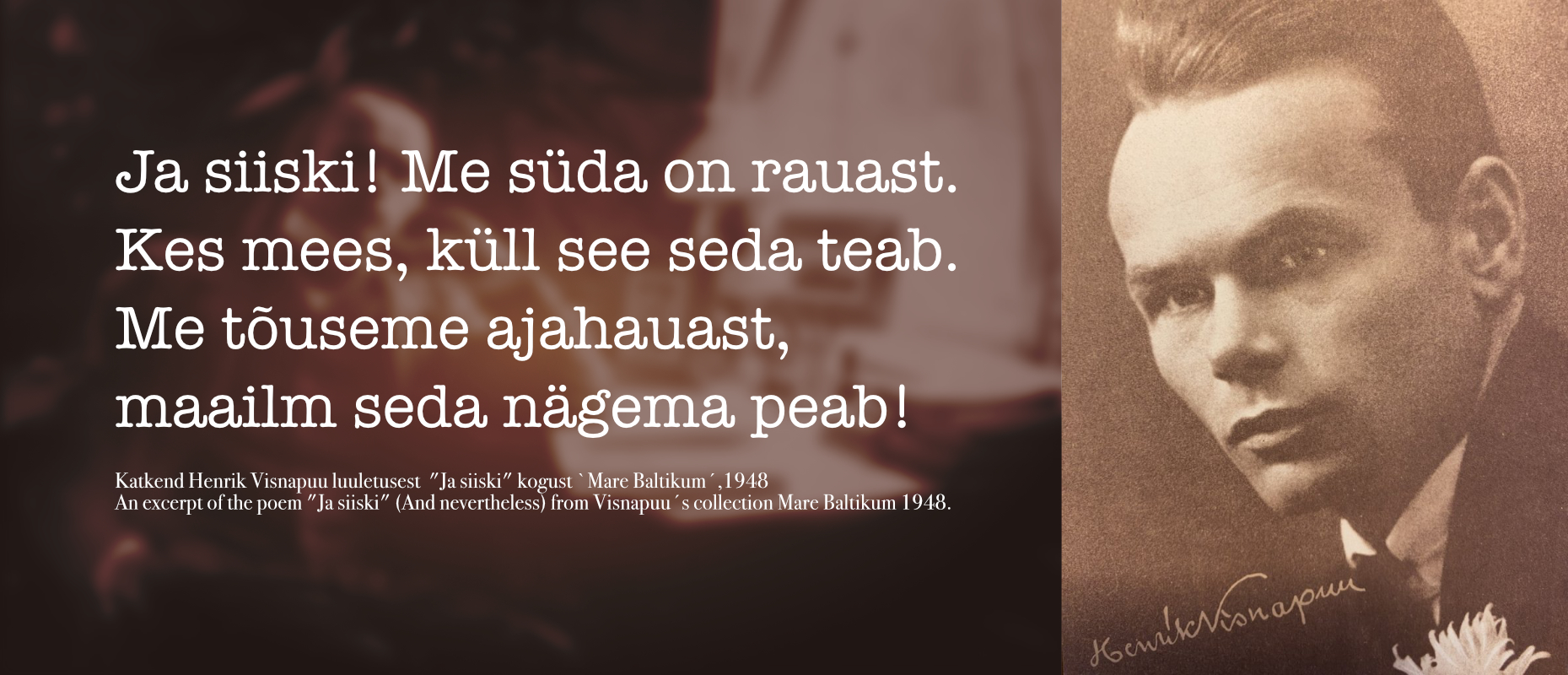
Named in celebration of the beloved Estonian poet best known for his writings that expressed such love for his homeland of Estonia, the Visnapuu literary award was first established in the United States in 1952. The tradition temporarily came to an end in 2007 with the passing of its founders. The ERKÜ Visnapuu Auhind (EANC Visnapuu Award for Arts and Letters) will be awarded biannually, with the winner announced on January 2nd every other year. The first award was bestowed in 2022. The EANC Henrik Visnapuu Award recognizes outstanding achievements in literature, prose or poetry, the arts, scholarly works, lifetime achievement, etc. in the realm of Estonia / the Estonian diaspora.
Meet the EANC Visnapuu Award Laureates

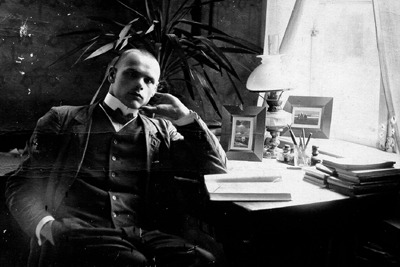
Literary Scholar Janika Kronberg Awarded 2026 EANC Henrik Visnapuu Lifetime Achievement Prize
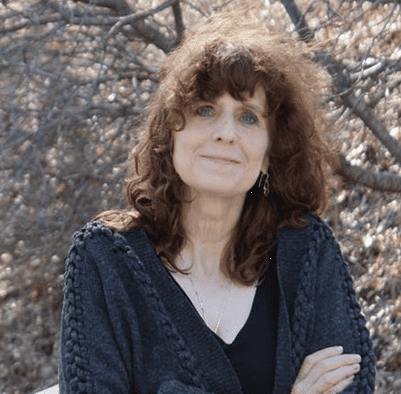
Literary Scholar Tiina Kirss Named Winner of the Henrik Visnapuu Award 2024
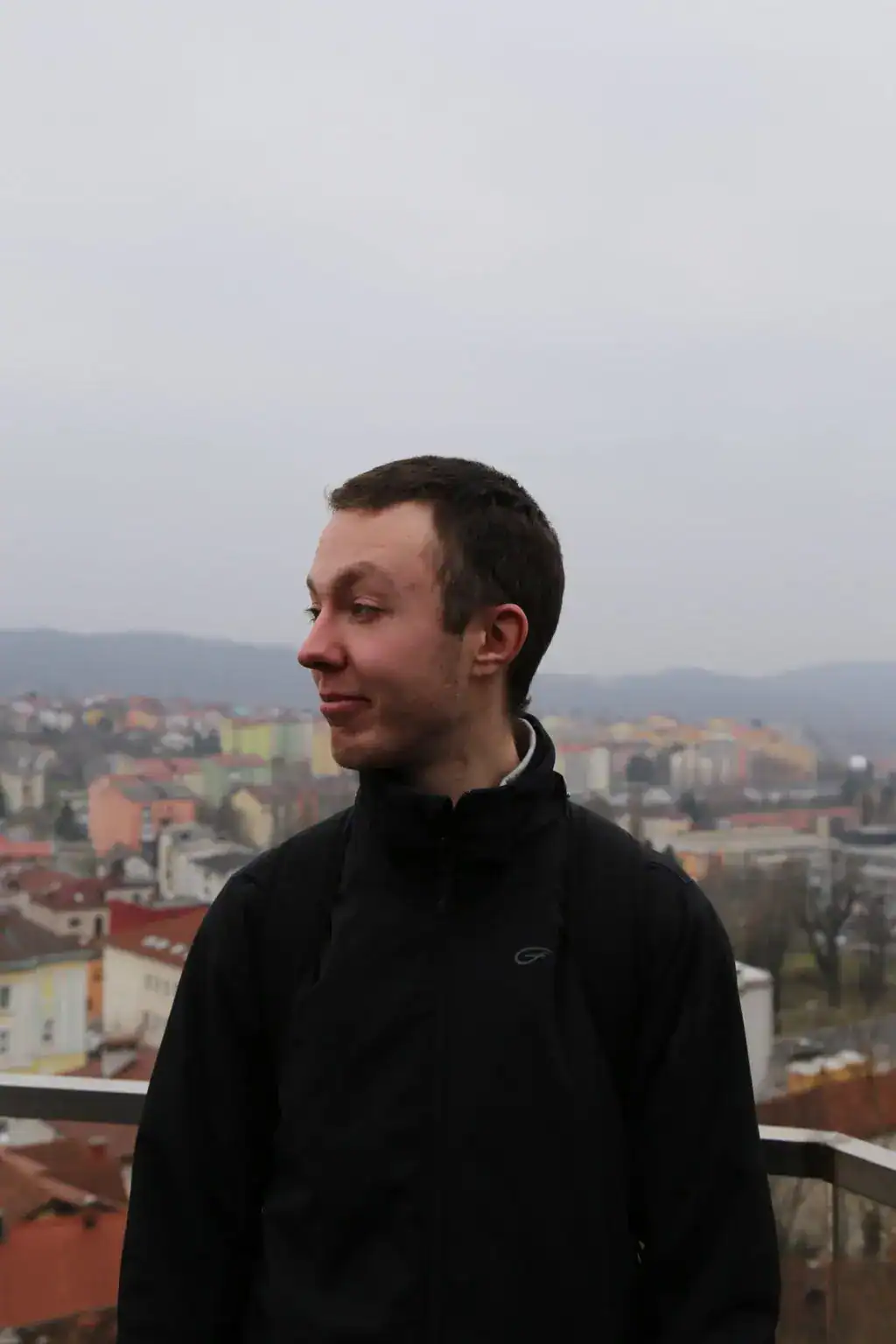
Poet Reijo Roos Receives 2026 EANC Henrik Visnapuu Young Talent Award
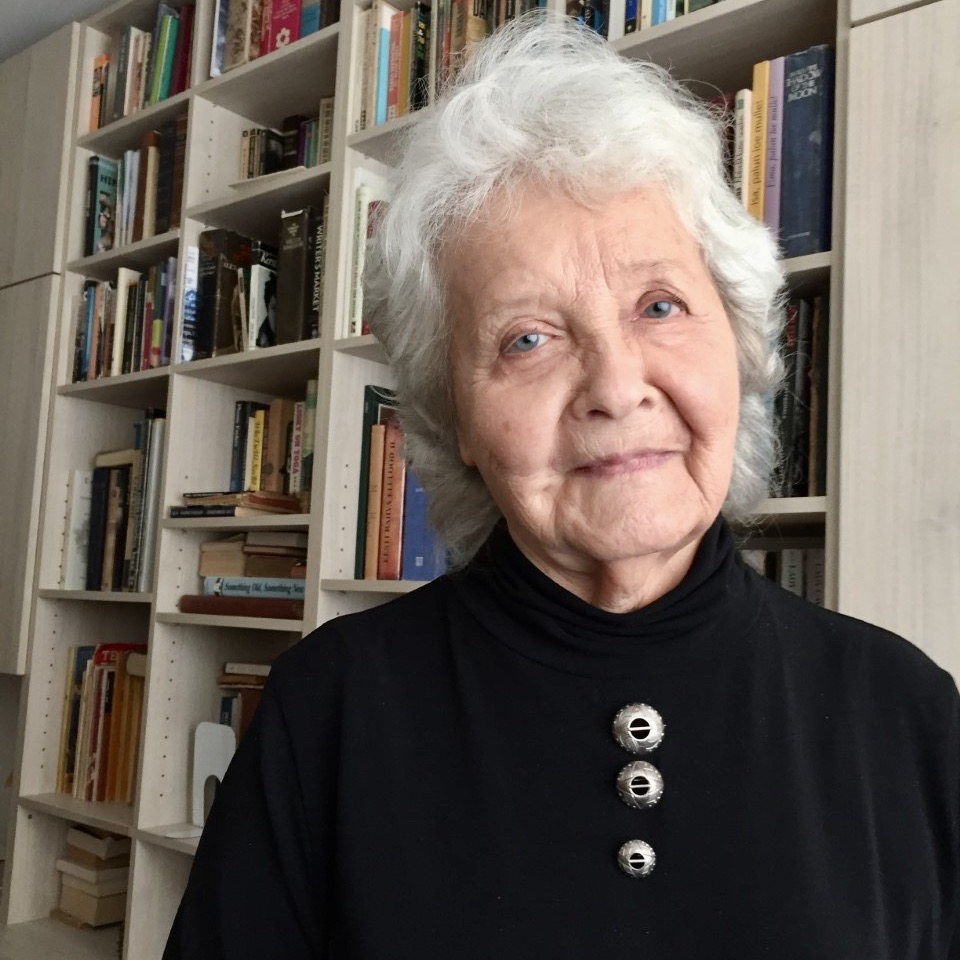
Winner of the Henrik Visnapuu Award 2022 is Author Elin Toona
The purpose of the award is to introduce and showcase Estonia to the world, while also informing the public and community about the mission and the work of the Estonian American National Council in the realm of the preservation, promotion and fostering of the Estonian language and culture abroad
The EANC is pleased to revive this important award in collaboration with our two partners in Estonia: Eesti Kirjanike Liit, www.ekl.ee (the Estonian Writers’ Union, a professional association of writers and literary critics); and Luunja vallavalitsus, www.luunja.ee (the municipal government of Luunja, the village in Estonia where Henrik Visnapuu was born). Henrik Visnapuu´s descendant Andres Visnapuu has given EANC his support for the re-dedication of the Visnapuu award.
Each of the three partner organizations will name one representative to the selection panel. The EANC Visnapuu Award Panel for 2021 comprises: literary scholar Dr. Sirje Kiin, who holds a PhD in Comparative Literature (USA, representing the Estonian American National Council); Estonian poet Jürgen Rooste (Estonia, representing the Estonian Writers’ Union); and Luunja official and high school principal Toomas Liivamägi (Estonia, representing Luunja municipal government). Judges may also consult with outside experts in specific genres and other cultural organizations when necessary.
The original Visnapuu literary award was instituted by the Worldwide Estonian Literary Society after Henrik Visnapuu´s death in New York, in 1951. The Henrik Visnapuu Foundation was established for purposes of the award on October 21, 1952. The first contribution from Sweden originated from the proceeds of the Henrik Visnapuu memorial and from royalties earned from Visnapuu´s posthumously published memoirs, Päike ja jõgi. Since 1991 managers of the Visnapuu Foundation have included architect Herk Visnapuu and his family, Andres Visnapuu, Elmar Tampõld, Tõnu Parming and Mardi Valgemäe.
Visnapuu Award winners from 1952 – 2007 can be found listed in Wikipedia; until the early 1990s almost all award winners were expatriate Estonian writers, starting with August Mälk, Marie Under, and Karl Ristikivi, all the way to Elin Toona and Helga Nõu. 1983 was an exception, when the award was given to Annus Rävala (Helmut Tarand), who lived in Estonia, for his work ´Vorkuta värssid.´ Arved Viirlaid, Arvo Mägi and Bernard Kangro all received the Visnapuu award repeatedly. Upon the restoration of Estonian independence, the award was also bestowed on authors living in Estonia, including poet Hando Runnel in 1993, and historian Mart Laar (for his biography of Jakob Hurt, and other works) in 1997.
Celebrating the Work and Spirit of Henrik Visnapuu
EANC Visnapuu Award Ceremony 2022
Scholar Sirje Kiin introduces the EANC Henrik Visnapuu Award for Arts & Letters (ESTO|Raiser 2021 Fundraiser & Cultural Event, Sept 25, 2021; interviewed by Andy Valvur)
Nominees
2026
Janika Kronberg – pikaaegse tegevuse eest pagulaskirjanduse käsitlemisel ja kodustamisel.
Janika Kronberg on oluliselt panustanud pagulaskirjanduse uurimisse ja kodustamisse, tugevdades Eesti kultuurilist dialoogi. Ta on esinenud eestlaste kogukondades üle maailma, kogunud väärtuslikke arhiivimaterjale ning toonud kasutusele uut teavet ka audiovisuaalsete projektide kaudu. Tema tähtsamateks teosteks on “Rännud kuue teejuhiga”, “Hästi valitud sõbrad” ja “Tiibhobu märgi all” ning koos Brita Meltsiga koostatud “Kröits ehk Ristikivi”. Hiljutistest töödest väärivad märkimist “Kolm Karli” (2024) ja “Loetud ja seostatud” (2025), mis sisaldab ka seni avaldamata käsitlusi.
Helga Merits – elutöö eest eesti-teemaliste dokumentaalfilmide loojana.
Merits jäädvustab eestlaste pagulaste lugusid ja tutvustab eesti kultuuri maailmas. Tema filmid – “Class of 1943” (2012), “The Story of the Baltic University” (2015), “Coming Home Soon – The Refugee Children of Geislingen” (2018) ja “The Paradox of Seabrook Farms” (2024) jt – põhinevad põhjalikul uurimistööl, arhiivimaterjalidel ja intervjuudel. Tema kuus filmi on linastunud 12 riigis. Tema filmid mõtestavad pagulaskogemust kui kaotuste, vastupidavuse ja kultuurilise järjepidevuse kooslust.
Reijo Roos – luulekogu „tere kas tohib / tere kas võisõ“, muu tegevuse eest
Reijo Roos alustas juba mõne aasta eest tööd eestisoome luulesilla üleshoidmisel, koostades eesti- ja soomekeelse luuleantoloogia "Sinisild/Sinisilta", mis kogus luuletajate kogemusi kahelt kaldalt. Ülemöödunud aastal avaldas ta oma enda teise luulekogu "tere kas tohib / tere kas võisõ", mis kirjeldab kolmes keeles (eesti, soome ja võru) tänase noore talsinglase, soomesildlase vaimumaailma ja elukogemust. Lisaks sellele on Reijo Roos loonud ühenduse Eesti Kirjanike Liidu Noored ning korraldanud sündmusi kahel kaldal, andnud loovkirjutamise õpitubasid jne. Praegu on Soome silla ülalhoidmine mitte vaid loov ja vaimne, vaid ka kaitsepoliitiline küsimus ja tegu. Sellepärast soovitame märgata Roosi panust noore loojana ning ka organisaatori, ühendajana, tänase luulesilla ühe ülalhoidjana.
Juhani Salokannel – elutöö: kirjandusloolised teosed ja eesti kirjanduse soomendused
Salokannel on parim eesti kirjanduse asjatundja Soomes. Viiekümne aasta jooksul on ta kirjutanud eesti kirjandusest arvukalt artikleid ja arvustusi nii Soome kui Eesti väljaannetes, avaldanud uurimuse Soome ja Eesti kirjandussuhetest, kirjutanud aimeteoseid Eesti kirjandusest ja kirjanikest (Jaan Kross, A. H. Tammsaare) ning tõlkinud eesti kirjandust soome keelde (A.H. Tammsaare, J. Kross, T. Õnnepalu jt). Tema esimesed eesti kirjanduse tõlked ilmusid 1970. aastatel, värskeim tõlge on sel aastal ilmuv A. H. Tammsaare ”Põrgupõhja uue Vanapagana” soomendus. Lisaks eesti kirjanduse tutvustamisele on Salokannel panustanud Eesti ja Soome kultuurisuhete edendamisse Soome Instituudi juhatajana Tallinnas aastatel 1997–2000 ja Tuglase Seltsi juhatajana Helsingis 2006-2012. Tuglase Seltsi juhatajana oli Juhani Salokannel ka seltsi kultuuriajakirja Elo peatoimetaja. Juhani Salokannel on oma elutööga teinud Eesti maailmas suuremaks ja tuntumaks.
Jaak Treiman – mälestusraamatu „Carried by a Magic Fan: Memoir of an Estonian Refugee Family“ ja elutöö eest
Jaak Treiman on olnud Eesti diplomaat Ameerikas üle 35 aasta, olles meie riigi kauaaegseim järjepidev esindaja välismaal. Tema mentoriks oli Eesti esimene peakonsul. Treimani mälestusteraamat kasvab välja Teise maailmasõja pärandist ning on raamitud Eesti sünni, kaotuse ja taassünniga. See jutustus pagulaspere põgenemisest Ameerika Ühendriikidesse haarab üheksa aastakümmet ja kolme kontingenti. Arhiividokumentidele ja kirjadele tuginedes jutustab Treiman loo, mis on ühtaegu isiklik ja paljudele ühine: Ameerika unistuse poole püüdlemine, säilitades samal ajal mälestusi kodumaast. Seda teekonda ilmestavad poliitiline tegevus, koostöö dissidentidega, õiguslikud vaidlused ning kohtumised Ameerika Ühendriikide presidentidega.
2024
Tiina Ann Kirss (for life-time achievement) WINNER
Tiina Kirss grew up in the United States of America, and earned her PhD from the University in Michigan, Ann Arbor. Since the restoration of Estonian independence, Tiina Kirss has dedicated herself to researching, teaching, and introducing Estonian literature and heritage both in Estonia and abroad. Kirss has been a professor of Estonian literature and cultural theory at the University of Toronto, Tallinn University, and Tartu University, and currently works as a senior researcher at the Estonian Museum of Literature.
The main areas of Kirss’s varied research work focus on Estonian and comparative literary and cultural history, as well as the study of Estonian biographies. Her work and activities have contributed to the research and integration of Estonian culture in Estonia as well as abroad.
Virve ja Raimo Raag (shared nomination, for life-time achievement)
Virve and Raimo have played an important role in introducing Estonia, and the Estonian language, literature, and culture in Sweden for nearly forty years. Practically all of the Raags’ multifaceted activities have a strong Estonian dimension. Both Raimo and Virve have obtained research degrees at Uppsala University and have continued to work there as lecturers.
Raimo Raag’s research is wide-ranging and includes: the history of the Estonian language and Finno-Ugric languages, focusing on the oral and written language, vocabulary and grammar of Estonian, the Estonian-Swedish language, cultural relations and language contacts, as well as loanwords, bilingualism, Estonian- Swedes, Swedish-Estonians, and foreign studies.
Virve Raag’s primary field of research is that of the Estonian and Vadja languages, especially the standardization and ideologization of the Estonian language, and the Estonian language of Swedish Estonians. Virve Raag is the editor-in-chief of the comprehensive Swedish-Estonian dictionary (2004).
Jüri Talvet (for life-time achievement)
Talvet is a wide-ranging poet, translator, lecturer, researcher and essayist. He grew up in Estonia, and studied and earned his academic degrees at Tartu University and Leningrad University. He is currently professor emeritus of world literature at the University of Tartu after a lifetime carrier as professor. He has translated several top works of world literature into Estonian, and his poetry has been translated into several languages.
2022
Sirje Okas Ainso
“The Story of BATUN 1966-1991. Baltic Appeal to the United Nations,” 2018, USA
This work is a valuable historical resource documenting how Baltic youth in exile joined together to engage in the decades-long fight for freedom at the high-level international forum, with the goal of restoring national independence for Estonia, Latvia and Lithuania.
Hilary Bird
The literary anthology, ‟An Introduction to Estonian Literature.” Slavica Publishers, Indiana University, 2018, USA
A contemporary, original and content-rich overview of the history of Estonian literature. For the English-speaking public, this work fills a great void. The overview begins with folk verses and ends with poems by Doris Kareva and Merle Jääger. 486 pp.
Juhani Püttsepp
Children´s book about the Great Refugee Flight to the West. „On kuu kui kuldne laev“ (The Moon, Like a Golden Ship), Tänapäev, 2020, Estonia
This is the first Estonian-language children´s book to tackle this complicated and difficult topic, and the author has successfully established a format and style that stirs empathy in the reader. This work will undoubtedly become a classic among Estonian children’s books.
Reijo Roos
Estonian and Finnish poetry anthology: ‟Sinisilta/Sinisild” (A Bridge of Blue), compiled by Reijo Roos, IlmaPress, 2021, Finland-Estonia
Sinisild/Sinisilta is an extraordinary bilingual anthology of poems, in which the author has put poems about Finland by 22 Estonian poets into the Finnish language. This work provides a vital link in the shared Finnish-Estonian literary landscape.
Leonhard Salman
Lifetime work researching the history of Estonian settlements in Crimea. He has published several comprehensive researched works, the latest being “Džurtši ja Kiyat-Orka Eesti asundused” (Estonian Settlements in Džurtš and Kiyat-Orka), 2019, Russia
A descendent of Estonian settlers, historian/researcher Leonhard Salman has for over 30 years carefully collected records about the Estonian settlements in Russia. The special value of Salman´s work stems from the rarity of available information on the history of how these Estonian settlements came to be. Real-life memories of Estonians living in Crimea give context and a realistic account of the events of the 19th and 20th centuries.
Elin Toona WINNER
Lifetime achievement as an Estonian and English writer, including the masterful English-language work ‟Into Exile,” Evershine Press, Inc., 2013, Estonian, „Pagulusse“, Varrak, 2017, USA
As a long-time Estonian writer abroad, Elin Toona has dealt sensitively and masterfully with life as a refugee and life in exile. She has also written the novels “Puuingel” (Wooden Angel), “Lotukata,” “Sipelgas sinise kausi all” (Ant Beneath the Blue Bowl), “Kaleviküla viimane tütar” (The Village of Kalev´s Last Daughter), “Kolm valget tuvi” (Three White Doves), “Mihkel, muuseas” (Mihkel, By The Way). Her documentaries include the monograph of her grandfather, poet Ernst Enno, a biography based on her grandmother, “Ella,” and her autobiographical ‟Into Exile.” Her other published works include short fiction, poems, oral stories, news articles, and more, in both Estonian and English.